Initial Consultation and Site Analysis
A preliminary meeting to discuss the property's characteristics and review existing site conditions and parameters.
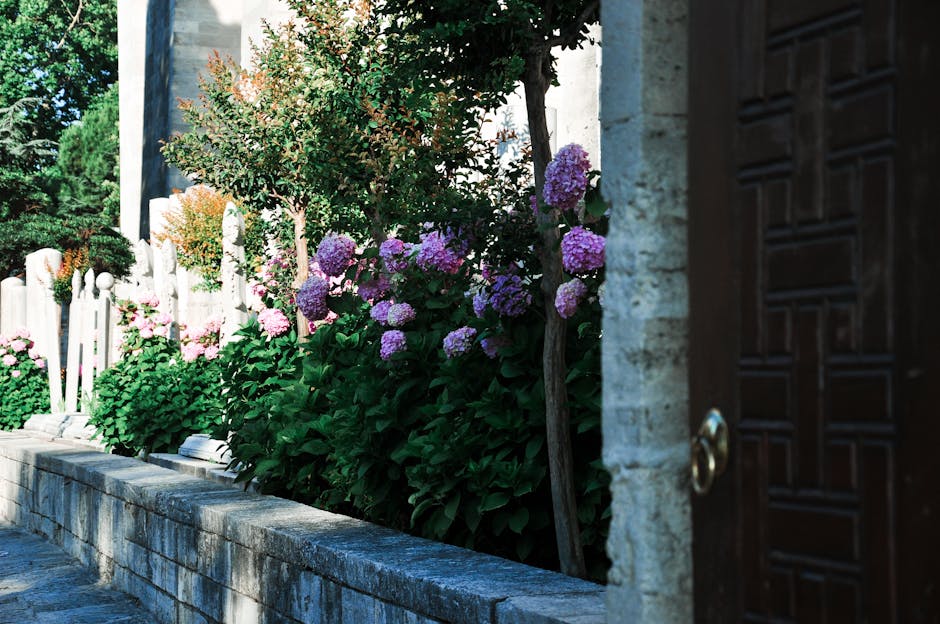
An informational framework for planning and developing outdoor spaces. This site presents the methodology used by Green Harmony for site analysis, custom design planning, and the installation of hardscapes and plantings.
Request InformationGreen Harmony operates as a provider of landscape design and installation services. The company's approach involves a structured methodology beginning with site assessment. This process includes reviewing existing conditions, topography, and sunlight patterns. The subsequent phase involves creating visual plans that outline potential layouts for pathways, plant groupings, and functional zones. The final stage pertains to the physical implementation of these plans, which can involve various materials and plant species selected based on site-specific factors.
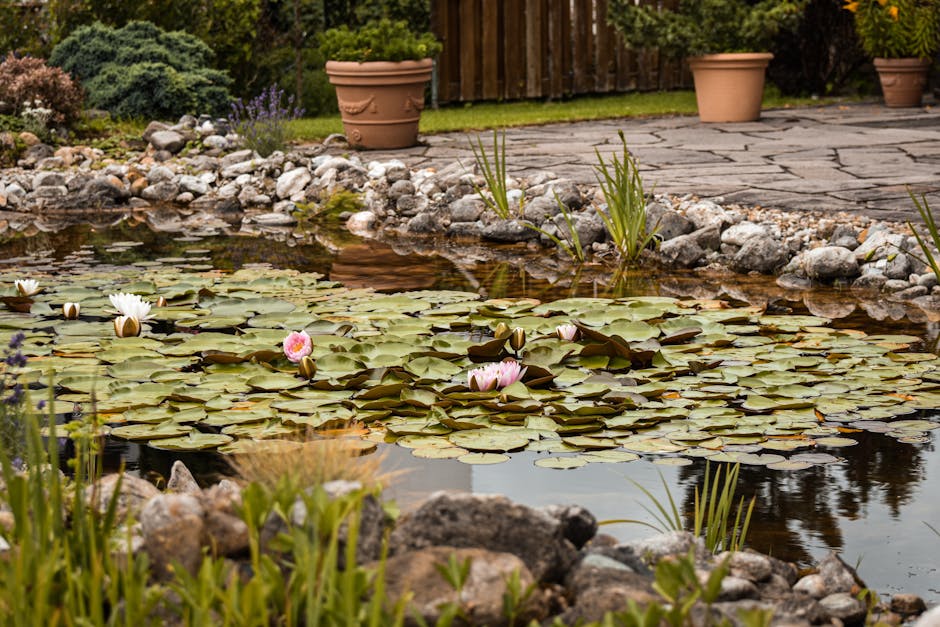
The planning process for an outdoor area is a multi-faceted undertaking. It involves considering various elements such as spatial organization, material selection, and botanical compatibility. Green Harmony's methodology provides a structured sequence for addressing these considerations. The framework is designed to offer property owners a detailed overview of potential design directions and implementation steps, recognizing that the final character of a space depends on numerous external and environmental variables.
A preliminary meeting to discuss the property's characteristics and review existing site conditions and parameters.
Creation of visual plans and layouts that propose arrangements for hardscape features and planting areas.
Presentation of material options and plant varieties for consideration, based on the developed design plans.
Oversight of the implementation phase, coordinating the placement of materials and plants as per the design.
The site analysis provided by Green Harmony was thorough. The plans gave us a clear visual understanding of the proposed layout for our garden in Kyoto.
We appreciated the structured process. The team explained the material options for our patio, and the installation was coordinated efficiently.
The design methodology helped us visualize different zones for our property. The information on plant suitability for our region was useful.
Green Harmony offers its landscape design and installation services to both residential and commercial clients. For residential properties, the focus is often on creating functional outdoor living areas, private gardens, and enhancing curb appeal through planned plantings. For commercial applications, the scope may involve creating welcoming entranceways, low-maintenance green spaces, or outdoor seating areas for businesses. The company's process remains consistent, adapting the scale and complexity of the plan to the specific requirements and dimensions of each property.
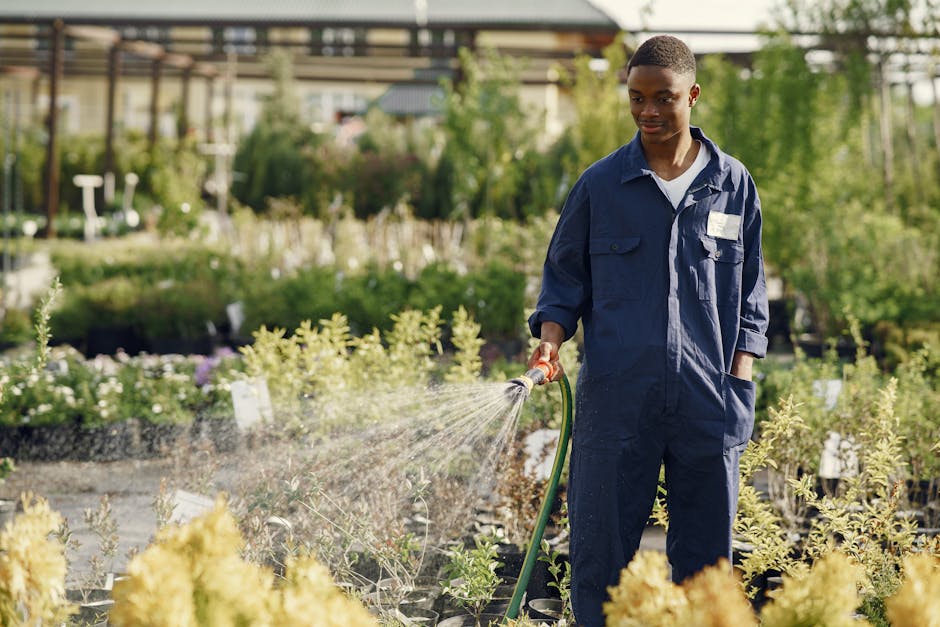
Developing an outdoor space involves a series of interconnected decisions. The selection of paving materials, for instance, can influence drainage patterns and maintenance routines. The choice of plant species is contingent upon local climate conditions, soil composition, and available sunlight. Green Harmony's informational approach aims to present these factors for consideration, allowing property owners to review options within a structured planning context, without implying specific outcomes.
A final walkthrough to confirm all planned elements have been addressed according to the design documentation.
Provision of informational documents outlining suggested care routines for newly installed plants and materials.
Information on how the landscape may change with seasons and considerations for different times of the year.
Discussion of how the initial installation fits into the longer-term maturation and evolution of the outdoor space.
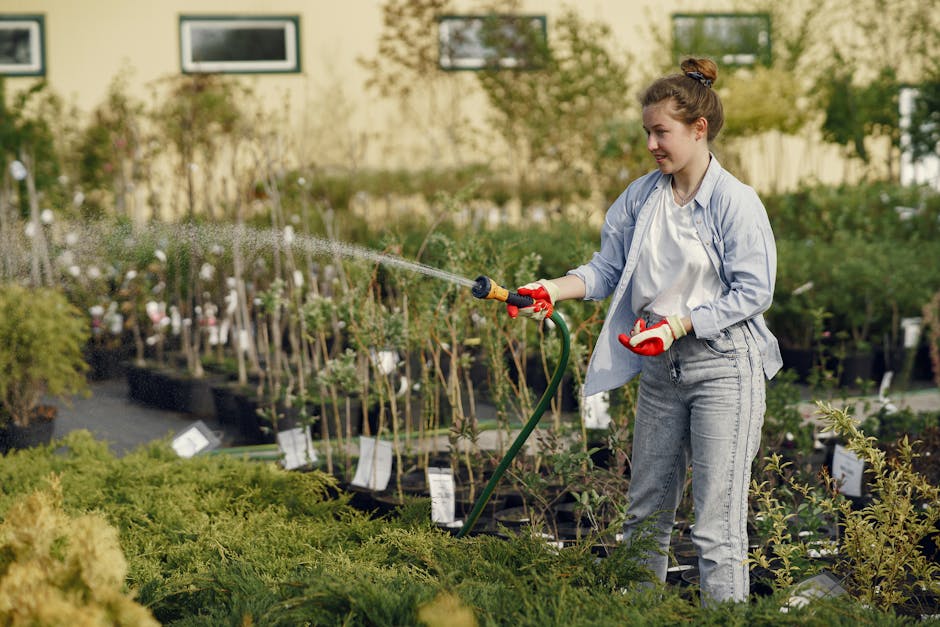
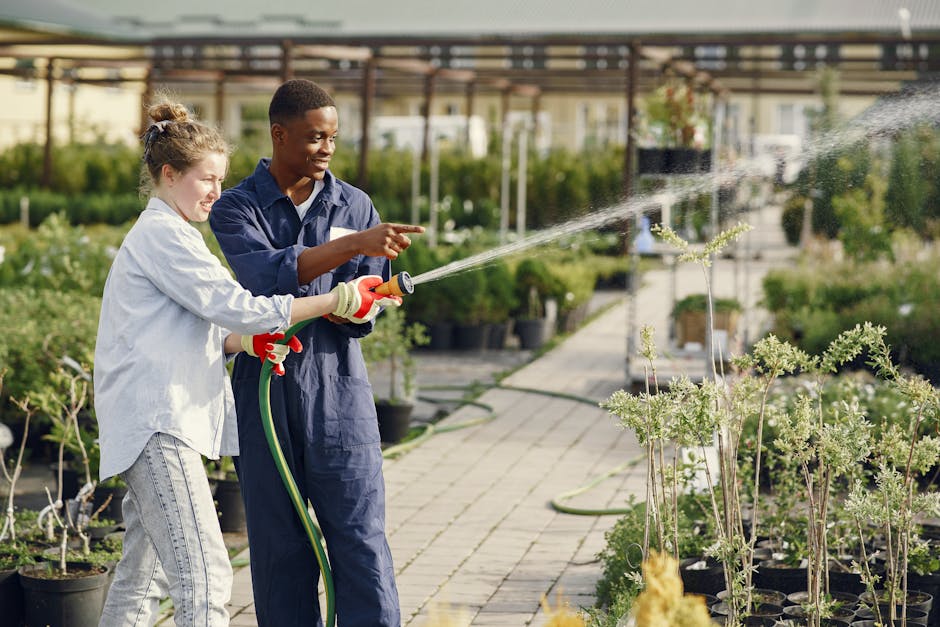
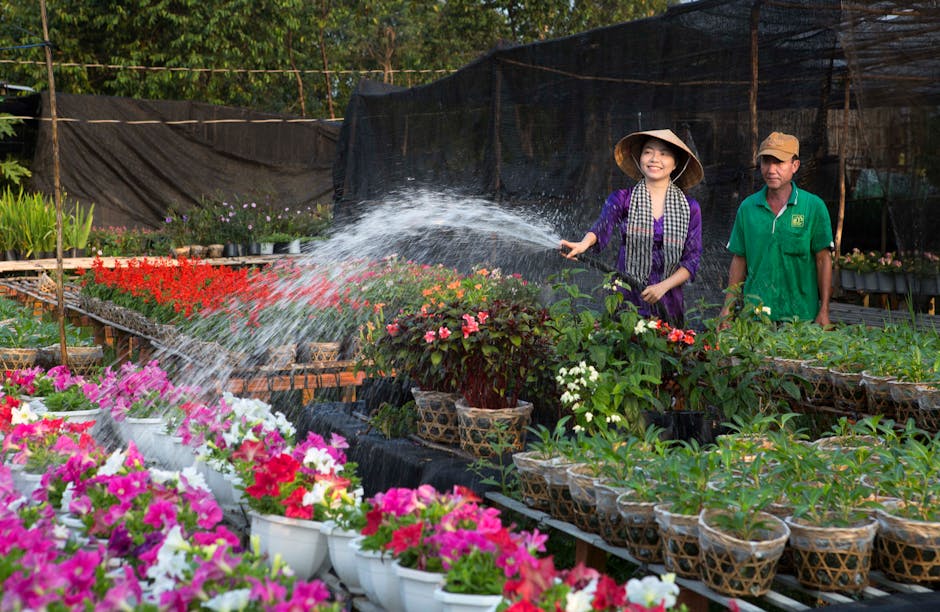
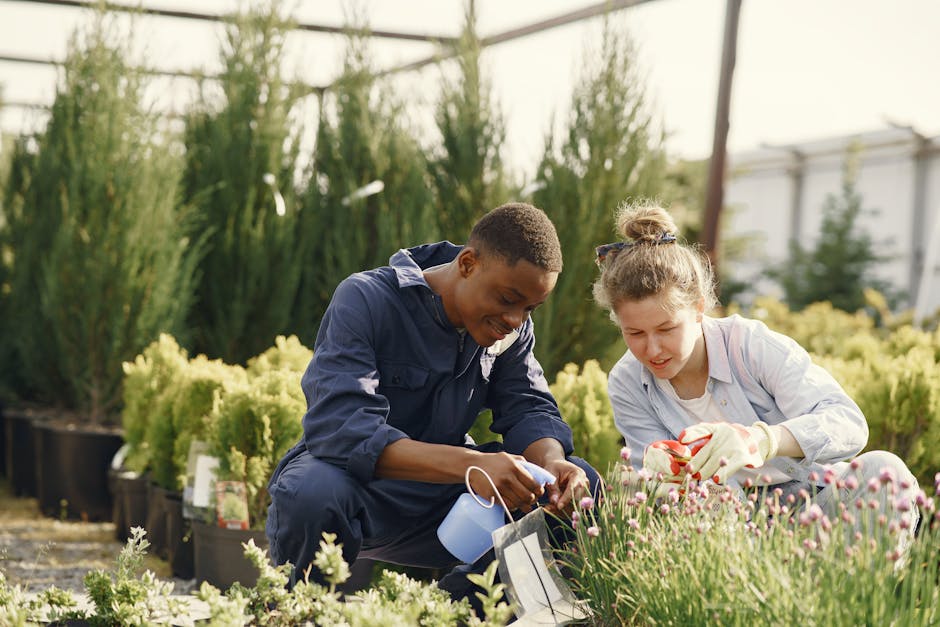
A core aspect of the planning methodology involves integrating proposed designs with the existing environment. This includes assessing how new plantings will interact with mature trees, how slopes are managed for drainage, and how spaces are oriented for sun and shade. The use of native plant species is often presented as an option due to their adaptation to local conditions in Japan. The framework also considers the practical aspects of space usage, ensuring pathways are logically placed and functional zones are appropriately sized for their intended use, all within the context of the initial site analysis.

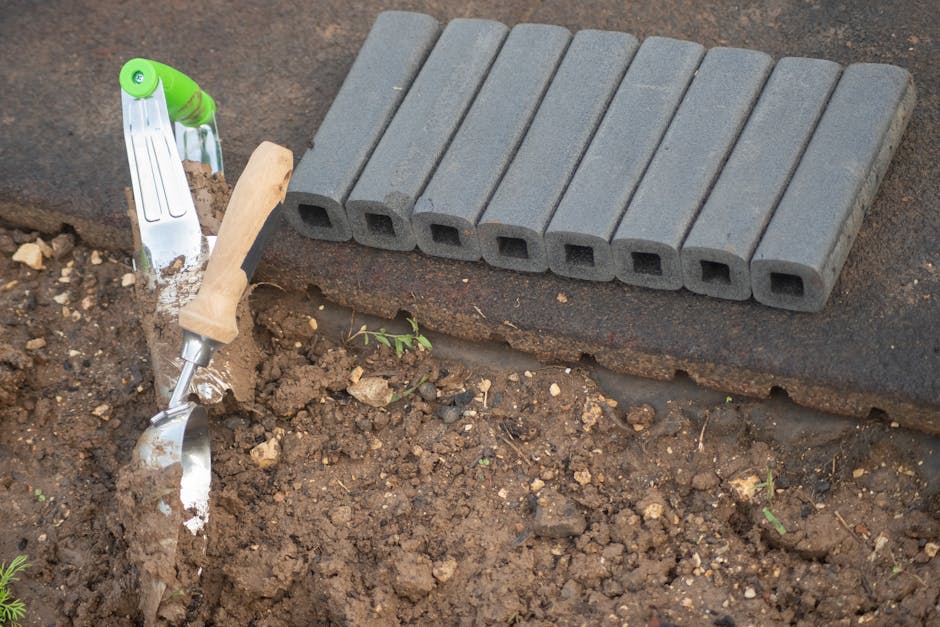
Hardscaping refers to the non-living, constructed elements within a landscape design. Green Harmony includes the planning and installation of such features as patios, walkways, retaining walls, and water features within its service framework. The selection of materials—such as natural stone, pavers, or wood—is presented as part of the design phase, with considerations for durability, texture, and visual harmony with the surrounding area. The installation process for these elements follows engineering and construction principles to address stability and longevity, recognizing that performance is subject to material quality and site conditions.
Initial evaluation of topography, soil, sunlight, and existing vegetation on the property.
Development of scaled drawings and plans that illustrate proposed layouts and spatial organization.
A curated review of plant species considering factors like climate zone, growth habits, and seasonal interest.
Management of the installation sequence for hardscape elements and the placement of plant materials.
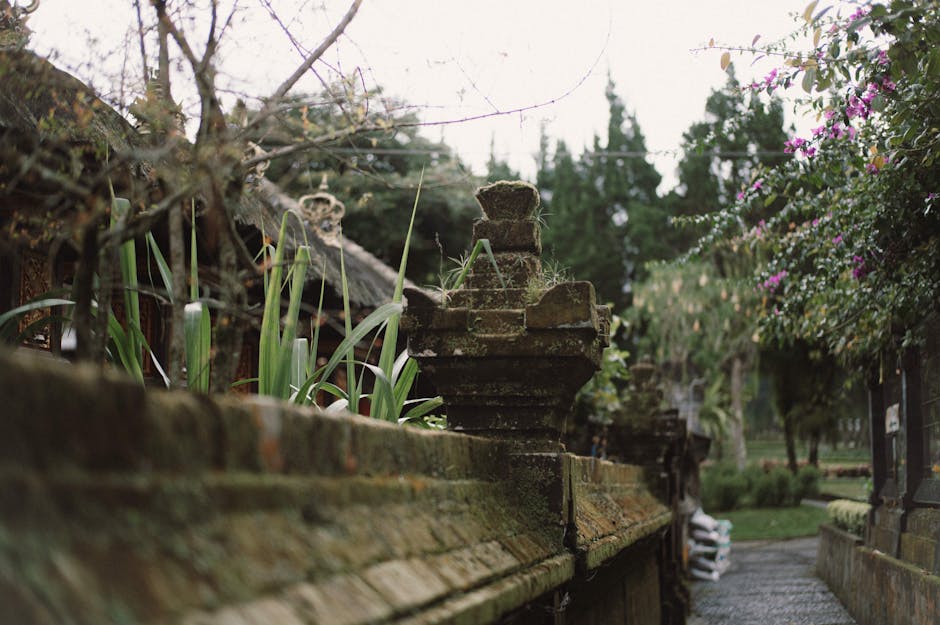
Operating in Japan, Green Harmony's planning approach considers regional architectural styles, seasonal changes, and traditional garden elements where requested. This may involve incorporating principles of borrowed scenery (shakkei), using local materials like bamboo or Japanese maple trees, and planning for the distinct wet and dry seasons. The methodology remains informational, presenting these cultural and climatic considerations as factors within the design framework, allowing clients to review how such elements might be integrated into their specific property plans.
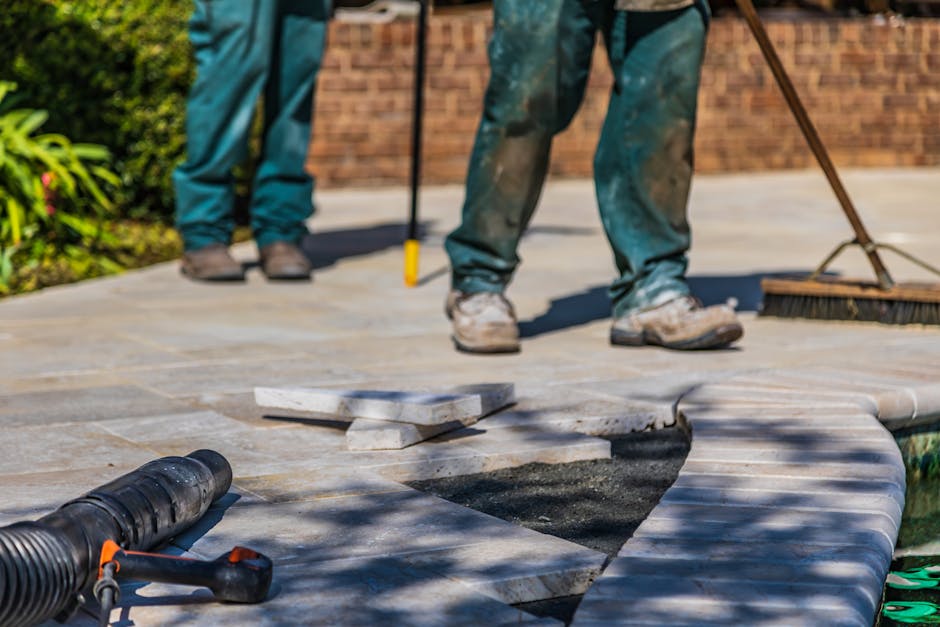
It is useful to understand the landscape project as two interconnected phases: design and installation. The design phase is primarily analytical and creative, resulting in a set of plans and specifications. The installation phase is the physical realization of those plans, involving construction and horticultural work. Green Harmony provides services for both phases, offering a continuous informational thread from initial concept to on-site implementation, while noting that each phase involves different skill sets and considerations.
Creation of scaled layout drawings that specify dimensions, materials, and planting locations.
Inclusion of efficient water delivery system layouts as an optional component within the overall design.
Coordination with nurseries to source plant materials in sizes specified within the design documentation.
Provision of final plans, material lists, and care information for the client's records upon completion.
For more details on the landscape design and installation process, or to discuss a potential project, you can reach Green Harmony using the information below.